Code Currents: How Data Flow Patterns from Global Matches Are Guiding Balance Tweaks in Live Strategy Titles on Multiple Networks
Written by Blake Lorenz · Sep 13, 2026
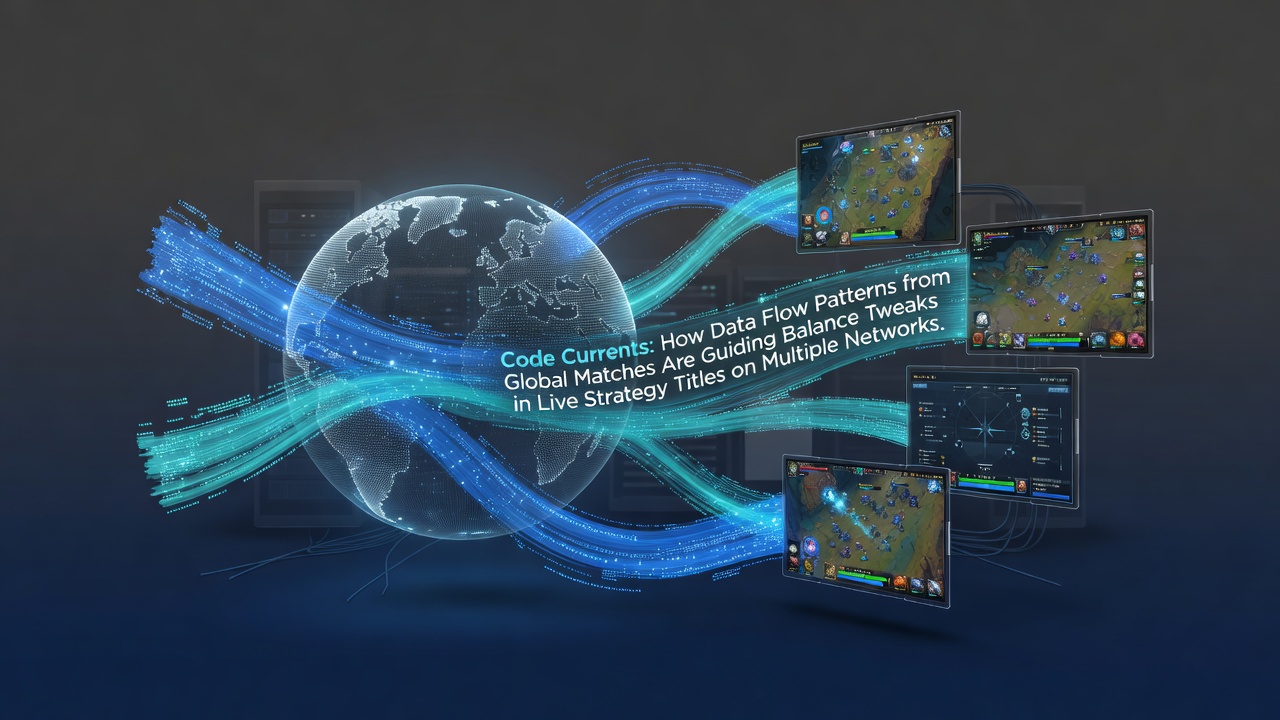
Code Currents: How Data Flow Patterns from Global Matches Are Guiding Balance Tweaks in Live Strategy Titles on Multiple Networks
Data streams from worldwide competitive matches now feed directly into balance adjustment systems for live strategy games, and these patterns cross multiple server networks to inform patch decisions in real time. Developers collect telemetry on unit interactions, resource allocations, and player decision trees during ranked sessions, then route the information through centralized analytics platforms that operate across regional data centers.Data Collection Mechanisms in Live Environments
Server logs capture every command input and outcome across titles running on PC, console, and mobile infrastructures simultaneously, while aggregation tools normalize the inputs for comparison regardless of platform origin. Researchers at institutions studying digital entertainment have documented how these pipelines handle millions of match events daily, routing them through secure channels that comply with regional privacy frameworks such as those maintained by the European Games Developer Federation. The process begins with edge servers near player locations, moves through regional hubs, and converges at analysis clusters where algorithms flag statistical outliers in win rates or engagement durations.
Pattern Recognition and Adjustment Protocols
Algorithms scan for recurring sequences where specific strategies dominate across time zones, then correlate those sequences with hardware variables like input latency on different networks. When data shows consistent underperformance of certain map features or character abilities in high-ping environments, teams schedule targeted modifications that roll out through staggered updates. Observers note that this approach replaced earlier manual review cycles, allowing adjustments to occur within days rather than weeks after anomalies surface in aggregated reports.
Cross-Network Synchronization Examples
One documented workflow involves strategy titles that maintain separate leaderboards for each region yet share a common balance model, and the shared model receives inputs from all regions before any change deploys. In September 2026, several major live service platforms implemented synchronized patch windows that aligned North American, European, and Asia-Pacific servers within the same 48-hour period. This coordination reduced instances where players on one network encountered advantages unavailable to those on another. Industry reports from the Entertainment Software Association highlight how such unified models rely on standardized data schemas that translate match variables into comparable metrics across disparate connection types.
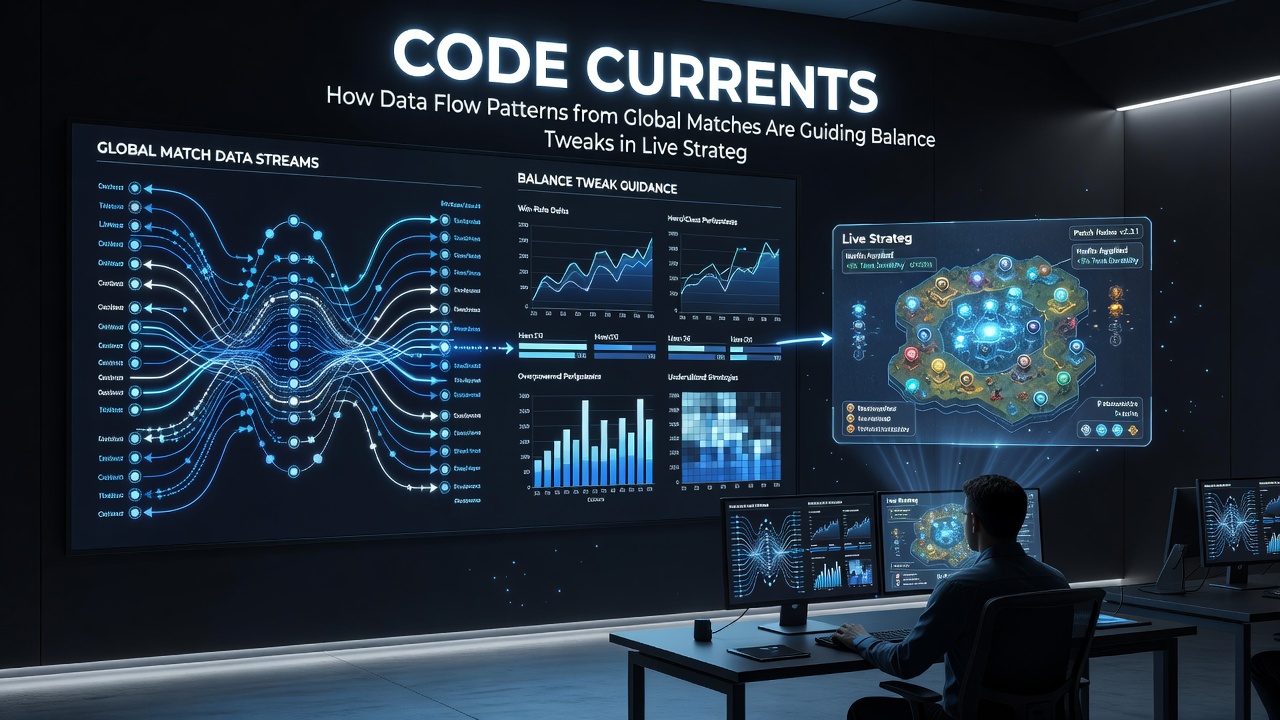
Impact on Multiple Platform Ecosystems
Console versions of these games often process fewer variables per frame than PC counterparts, yet the balance systems still apply identical outcome weights derived from global datasets. Mobile clients contribute high-volume but lower-complexity matches that help validate adjustments made for higher-fidelity platforms. Teams monitor retention metrics alongside performance statistics, because shifts in one network can alter queue times or match quality on others when player populations migrate in response to perceived fairness changes.
Future Trajectories for Data-Driven Balancing
Continued expansion of edge computing resources allows finer segmentation of data flows by connection quality and device type, and this segmentation supports more precise tweaks without broad side effects. Academic studies on interactive media continue to examine how these systems evolve when new network technologies enter widespread use. The same analytical frameworks now under consideration for integration with emerging regulatory guidelines on digital fairness across jurisdictions.
Conclusion
Global match data patterns have become the primary driver for balance modifications in live strategy titles, and the infrastructure supporting these patterns spans multiple networks and device classes. Continued refinement of collection and analysis methods promises tighter alignment between observed play and subsequent adjustments, while maintaining consistency for participants regardless of location or hardware.