Controller Ergonomics Shape Reaction Times in Competitive Matches
Written by Leon Lorenz · Oct 11, 2026
Controller Ergonomics Shape Reaction Times in Competitive Matches
Ergonomic design in controllers affects how players execute inputs during high-speed matches, and multiple studies have tracked those patterns across gamepads, arcade sticks, and mouse-and-keyboard setups. Data collected from competitive environments shows measurable differences in response intervals when grip angles, button spacing, and trigger resistance change. Researchers at several institutions have recorded these variations in titles that demand rapid directional changes and precise aiming, including first-person shooters and fighting games where split-second decisions determine outcomes.
Key Factors in Controller Design
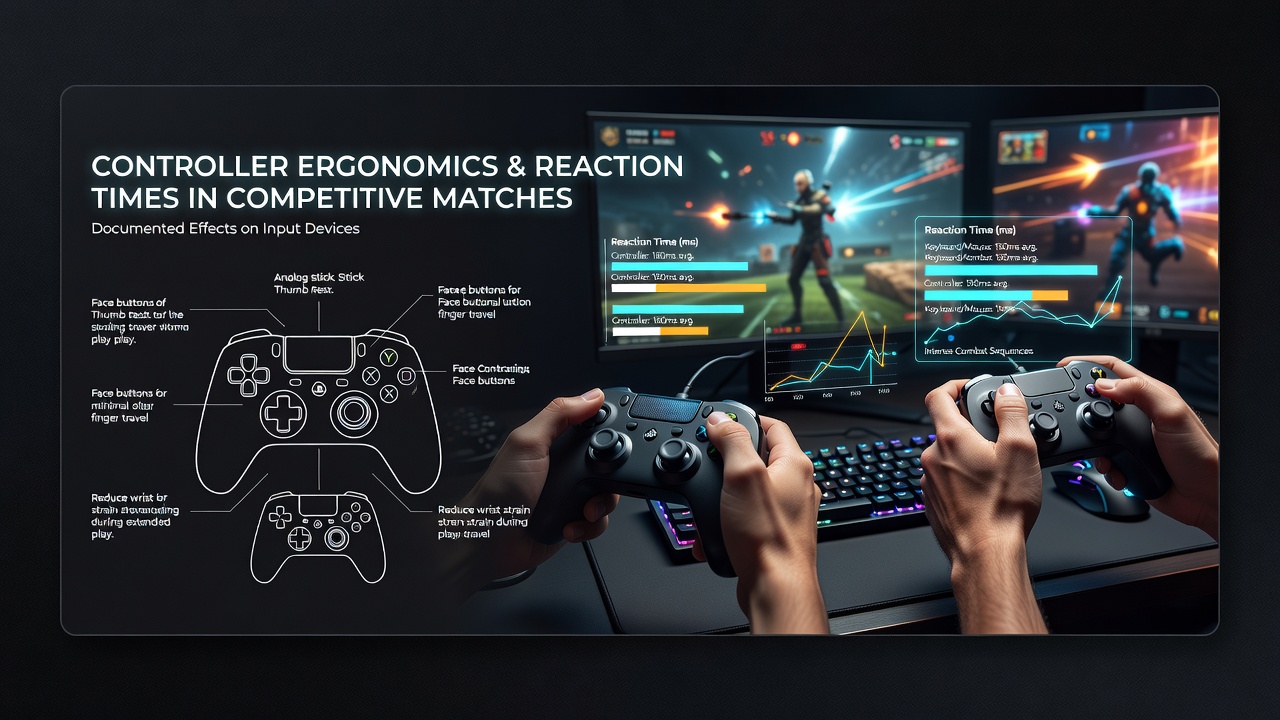
Button placement and hand positioning form the core elements that influence reaction metrics. When thumbsticks sit at angles that align with natural wrist rotation, players complete directional commands faster according to motion-capture data. Trigger mechanisms with shorter travel distances reduce the interval between decision and action, while excessive resistance increases that interval. Studies conducted with professional participants reveal that stick drift and button debounce timing compound these effects, particularly in sessions lasting multiple hours where fatigue sets in. Observers note that devices incorporating hall-effect sensors maintain consistent input registration over extended use, limiting the gradual slowdown that occurs with traditional potentiometer components.
Documented Reaction Time Measurements
Controlled experiments have quantified how ergonomic variations translate into milliseconds of difference during match play. One analysis of esports athletes found that optimized grip contours shortened average reaction windows by 12 to 18 milliseconds compared with standard consumer models. These figures emerged from repeated trials in simulated tournament conditions where participants responded to on-screen stimuli while maintaining competitive posture. Additional research tracked performance across input types and observed that mouse-and-keyboard users registered inputs 8 to 15 milliseconds quicker in aiming tasks, yet gamepad users closed the gap when controllers featured adjustable tension modules. Data from sessions held in October 2026 confirmed that firmware updates addressing input latency produced further gains, especially on platforms supporting high polling rates.
Cross-Device Comparisons in Fast-Paced Genres
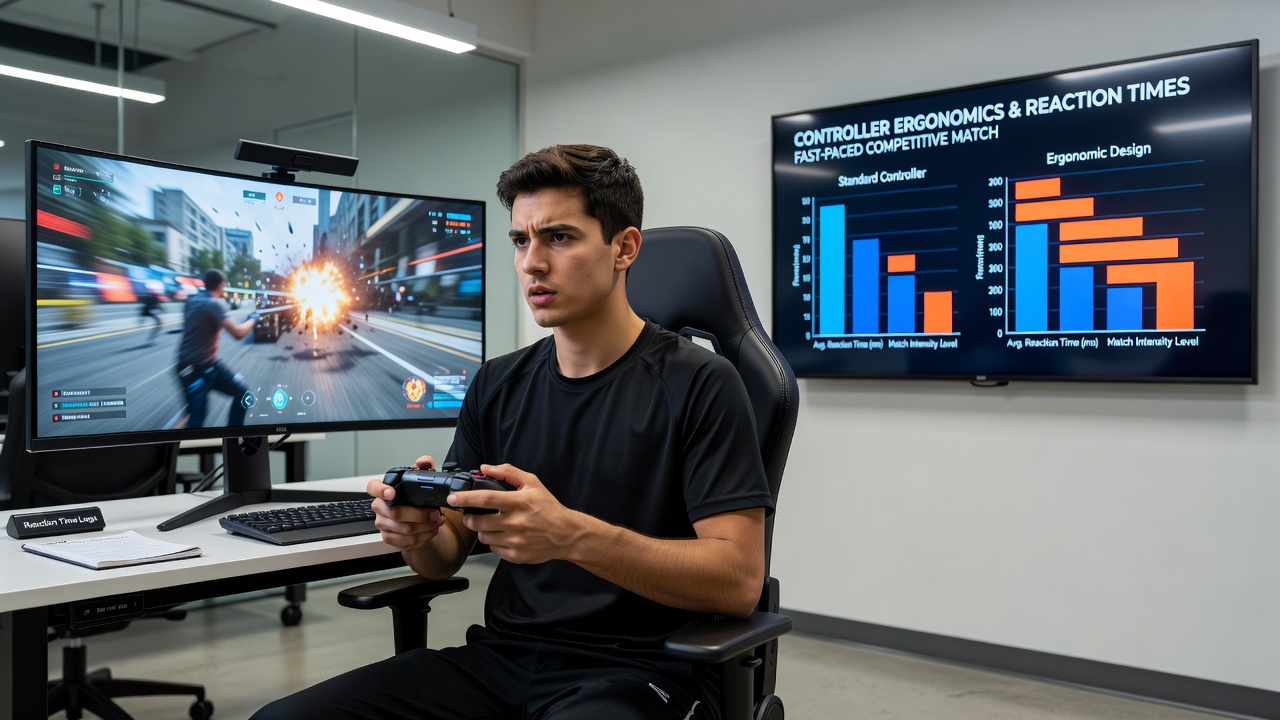
Fast-paced matches expose differences between input categories more clearly than casual play. In fighting game tournaments, arcade sticks with larger actuator distances allow quicker directional inputs once players adapt to the layout, though initial transition periods show temporary increases in error rates. Console gamepads equipped with textured grips reduce hand slippage during rapid movements, preserving input accuracy as match intensity rises. Mouse-and-keyboard configurations deliver lower baseline reaction figures in precision aiming scenarios, yet players report higher physical strain over long sets, which can elevate response times later in events. Researchers comparing these platforms have documented that hybrid devices, such as those with modular components, allow competitors to maintain steadier performance curves by matching hardware to individual hand sizes and grip preferences.
Recent Developments and Training Implications
Hardware manufacturers introduced several ergonomic refinements ahead of major 2026 events, and competitive circuits have begun integrating these changes into standard practice routines. Adjustable tension thumbsticks and shorter trigger stops appear in updated models, and teams now incorporate reaction drills that isolate hardware variables during preparation. Training logs from multiple regions indicate that players who cycle through different controller profiles during sessions develop more adaptable response patterns. Academic groups continue to monitor these trends, with ongoing work examining how sustained use of ergonomically tuned devices influences consistency across entire tournament brackets. Figures from National Institutes of Health reports on repetitive motion in digital environments provide context for these observations, while data compiled by the Esports Research Network tracks longitudinal performance shifts tied to hardware updates.
Conclusion
Controller ergonomics produce measurable effects on reaction times across competitive formats, and the available evidence links specific design features to performance outcomes in fast-paced environments. Continued monitoring of hardware iterations and player adaptation patterns supplies the data needed to refine both equipment and training approaches as the ecosystem evolves.